
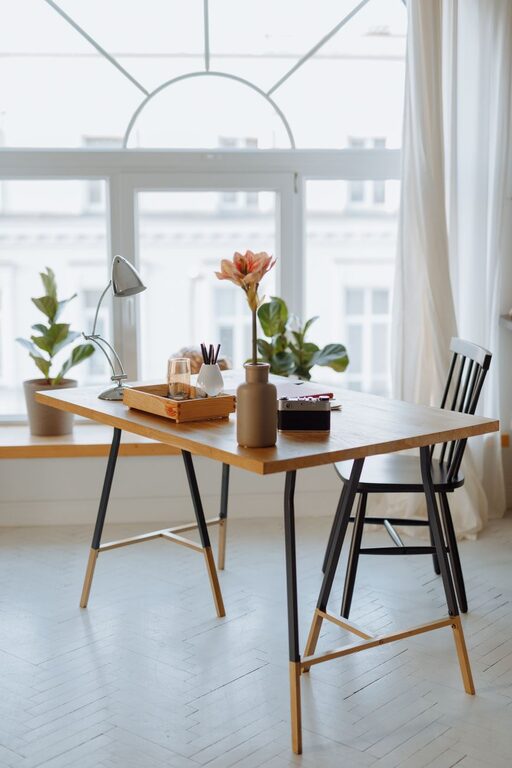
Creating a relaxing home office environment can significantly enhance your work experience. Whether you work remotely full-time or occasionally bring tasks home, a well-designed workspace promotes focus, comfort, and creativity. In this post, we’ll explore practical tips to transform your home office into a peaceful retreat that supports your daily routines and overall well-being.
Why a Relaxing Home Office Matters
Working from home offers flexibility but can also present challenges, such as distractions, discomfort, and difficulty separating work from personal life. A thoughtfully designed office space provides:
– Reduced stress and mental fatigue
– Improved concentration and productivity
– Clear boundaries between work and relaxation
– Enhanced comfort and enjoyment of your workday
By investing time and attention into your home office setup, you set yourself up for better results and a healthier work-life balance.
Choose the Right Location
Find a Quiet Spot
Look for a room or corner that is away from high-traffic areas in your home. Minimizing noise distractions helps maintain focus.
Prioritize Natural Light
Natural light has mood-boosting effects and reduces eye strain. Position your desk near a window if possible, but avoid glare on screens.
Consider Privacy Needs
If you share your space with family or roommates, choose an area where you can control interruptions and enjoy privacy during work hours.
Invest in Comfortable and Functional Furniture
Ergonomic Chair and Desk
A supportive chair and adjustable desk are essential for health and comfort. Look for chairs with good back support and desks that fit your height and working style.
Adequate Desk Space
Ensure your desk has enough surface area for your computer, notebooks, and other essentials. Clutter-free desks help minimize distractions.
Incorporate Storage
Use shelves, drawers, or filing cabinets to keep your office supplies organized. Having everything within reach prevents constant searching and mess.
Use Calming Colors and Decor
Soothing Color Palette
Choose colors that promote calm and focus, such as soft blues, greens, or neutrals. Avoid overly bright or harsh colors that may cause visual stress.
Personal Touches
Add photos, plants, or artwork that inspire and relax you. Personal elements help make your office feel welcoming and reflect your personality.
Minimalism
Keep decorations simple to avoid visual overload. A clean and uncluttered environment supports a peaceful mind.
Optimize Lighting
Layered Lighting
Combine natural light with ambient lighting like ceiling lights and task lighting such as desk lamps to create a balanced illumination setup.
Adjustable Brightness
Use dimmable lamps or bulbs to control light intensity according to the time of day or mood.
Warm Tone Lighting
Opt for warm white lights to create a cozy atmosphere, especially if you work during early mornings or evenings.
Incorporate Plants and Natural Elements
Benefits of Indoor Plants
Plants improve air quality, reduce stress, and increase productivity. Easy-care options like succulents, snake plants, or pothos work well in home offices.
Use Natural Materials
Wooden desk organizers, cork boards, or bamboo blinds add warmth and texture to your space, connecting you to nature.
Manage Distractions and Noise
Noise Control
Use noise-canceling headphones or white noise machines if background sounds interfere with concentration.
Set Boundaries
Communicate your working hours to family or housemates to minimize interruptions.
Digital Distractions
Limit notifications and organize your digital workspace to stay on task.
Organize and Declutter Regularly
Daily Tidy-Up
Spend a few minutes at the end of your workday clearing your desk and putting items away.
Use Organizers
Trays, baskets, and drawer dividers help maintain order and make it easier to find materials.
Go Paperless Where Possible
Reducing physical paperwork decreases clutter and streamlines your workspace.
Add Comfort Features
Temperature Control
Ensure your office area has proper ventilation or heating. Being too hot or cold can distract you from work.
Comfortable Flooring
Add a soft rug or anti-fatigue mat if you stand while working or want to create a cozy atmosphere.
Break Area
If space allows, create a small spot with a comfortable chair for breaks, reading, or meditation.
Final Thoughts
Creating a relaxing home office environment isn’t about a complete overhaul but making thoughtful choices that support comfort, focus, and well-being. By selecting the right location, adding calming colors, optimizing lighting, and organizing your space, you can build an office that energizes and soothes you throughout your workday.
Remember, this space is uniquely yours—customize it to fit your needs and preferences. A comfortable and peaceful home office can transform your work habits and help you achieve a better balance in your professional and personal life.