
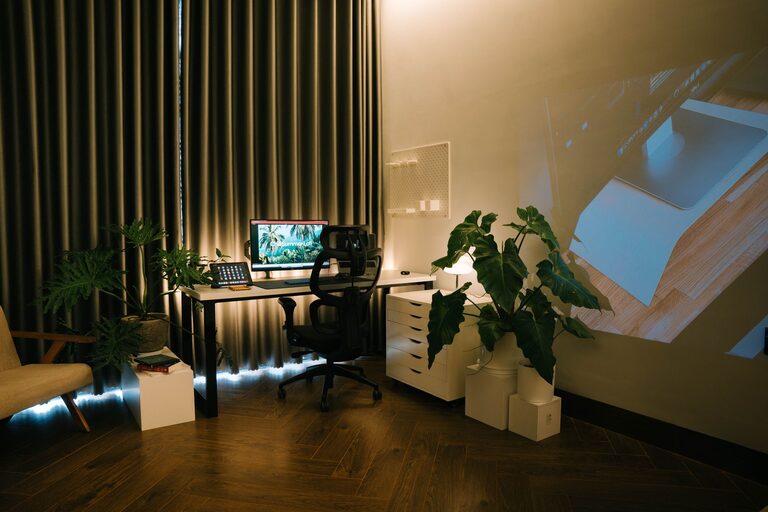
Creating a home office space that feels both cozy and productive is essential for anyone working remotely or needing a dedicated area for focus. A well-designed workspace can improve your concentration, reduce stress, and even inspire creativity. Whether you have a small corner or an entire room to dedicate to your office, these tips will help you build an environment where you can thrive.
1. Choose the Right Location
The first step in creating a home office is selecting the ideal spot. Consider these factors:
– Natural Light: Choose a place near a window if possible. Natural light improves mood and reduces eye strain.
– Quiet Environment: Find a space away from high-traffic areas or household noise to minimize distractions.
– Privacy: If your work involves meetings or calls, pick a spot where you won’t be disturbed.
Even a small nook with good lighting can become a perfect workspace.
2. Invest in Comfortable and Functional Furniture
Comfort is key when setting up your office. Spending hours in an uncomfortable chair can affect your posture and productivity.
– Ergonomic Chair: Choose a chair that supports your lower back, promotes good posture, and adjusts to your height and desk.
– Desk Size: Ensure your desk has enough surface area for your computer, paperwork, and any tools you use regularly.
– Adjustable Desk (Optional): If possible, consider a sit-stand desk to change positions throughout the day.
3. Organize with Efficient Storage Solutions
A cluttered workspace can hinder your ability to focus. Keeping your office organized will save time and create a calming atmosphere.
– Shelves and Cabinets: Use wall-mounted shelves or cabinets to store books and supplies.
– Drawer Organizers: Separate office essentials like pens, notepads, and chargers.
– Cable Management: Use clips, ties, or sleeves to keep cords neat and out of sight.
Regularly declutter your desk to maintain productivity.
4. Personalize Your Space Without Overdoing It
Adding personal touches makes your workspace inviting and motivates you to spend time there. However, too many decorations may become distracting.
– Plants: Small indoor plants can brighten up your desk and improve air quality.
– Photos or Art: Include favorite pictures or inspirational quotes.
– Color Palette: Choose calming colors like soft blues, greens, or neutrals for walls and accessories.
Balance decoration with functionality for a harmonious work area.
5. Ensure Proper Lighting
Good lighting reduces eye strain and keeps you alert during work hours.
– Task Lighting: Use a desk lamp with adjustable brightness to focus on detailed work.
– Overhead Lighting: Supplement natural light with ceiling lights or floor lamps.
– Avoid Glare: Position screens and lamps to reduce glare on your computer monitor.
If your workspace lacks natural light, consider bulbs that mimic daylight.
6. Minimize Distractions
Creating boundaries around your home office helps you stay focused.
– Set Clear Work Hours: Inform family or roommates about your schedule to avoid interruptions.
– Use Headphones: Noise-canceling headphones can block out background sounds.
– Keep Personal Devices Away: Limit smartphone use during work time unless necessary.
Creating a mental barrier between work and personal life also contributes to productivity.
7. Incorporate Technology for Efficiency
Equip your home office with tools that streamline your workflow.
– Reliable Internet: A strong, stable connection is essential for communication and cloud access.
– Quality Monitor: A larger or additional screen can improve multitasking.
– Wireless Accessories: Reduce cable clutter with wireless keyboards, mice, and printers.
Regularly update software to maintain security and performance.
8. Maintain Good Air Quality and Comfort
Comfort extends beyond furniture and lighting. Pay attention to air quality and temperature.
– Ventilation: Open windows periodically or use an air purifier.
– Temperature Control: Use fans, heaters, or air conditioning to keep the room comfortable.
– Aromatherapy: Consider subtle scents like lavender to promote calmness.
A comfortable climate helps sustain energy and focus throughout the day.
9. Take Breaks and Move Around
Even the best office can’t replace healthy habits.
– Follow the 20-20-20 Rule: Every 20 minutes, look at something 20 feet away for 20 seconds to rest your eyes.
– Stretch Regularly: Incorporate short breaks for stretching or walking.
– Create a Break Zone: If possible, have a separate space for relaxing away from your desk.
Regular movement boosts circulation and reduces fatigue.
—
By thoughtfully setting up your home office, you can create a space that feels welcoming and supports your work goals. Whether you prioritize comfort, organization, or aesthetics, a cozy and productive environment is within your reach. Start with small changes and build the perfect workspace tailored to your needs.