
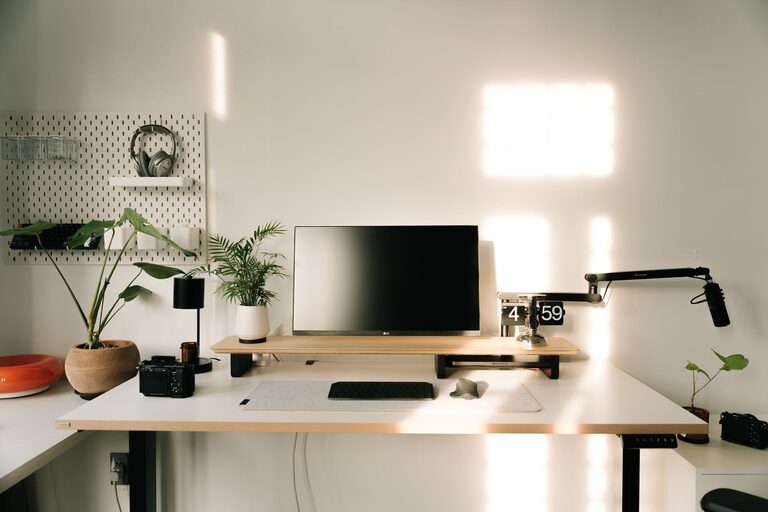
Creating a productive home office environment is essential for anyone who works remotely or spends significant time on projects at home. With the right setup, you can maintain focus, stay motivated, and prevent distractions that might slow you down. Whether you have a dedicated room or a small corner, these tips will help you design an effective workspace that supports your productivity and well-being.
Choose the Right Location
Finding the best spot in your home for your office is the first step. Ideally, this space should be quiet, with minimal foot traffic and distractions.
– Separate from living areas: If possible, pick a room or area that’s away from high-traffic zones like the kitchen or living room.
– Natural light: Position your desk near a window to benefit from natural light, which can improve mood and energy.
– Ventilation: A well-ventilated space helps keep you alert and comfortable throughout the day.
Invest in Comfortable and Functional Furniture
Your furniture choices play a big role in maintaining focus and preventing physical strain.
– Ergonomic chair: Look for a chair that supports your back and encourages good posture.
– Appropriate desk: Make sure your desk is the right height and size for your tasks and technology.
– Adjustable options: Consider furniture that can be adjusted for sitting or standing, which promotes movement and reduces fatigue.
Organize Your Workspace
Keeping your office tidy and organized can reduce stress and help you locate everything quickly.
– Declutter regularly: Remove unnecessary items from your desk and office area.
– Storage solutions: Use shelves, filing cabinets, or desk organizers to keep documents and supplies in order.
– Cable management: Use clips, ties, or sleeves to manage cords and prevent tangling.
Optimize Lighting
Good lighting prevents eye strain and keeps you alert.
– Natural light: Use curtains or blinds to control glare while allowing sunlight.
– Task lighting: A desk lamp with adjustable brightness can provide focused light for reading or detailed work.
– Ambient lighting: Combine overhead lighting with desk lamps to create a balanced and comfortable atmosphere.
Minimize Distractions
Creating boundaries and controlling your environment will help you stay focused.
– Set clear work hours: Define when you start and finish your workday to separate work time from personal time.
– Use noise control: If outside noise is an issue, consider noise-cancelling headphones or white noise machines.
– Keep personal items away: Avoid placing distracting items like your phone or household clutter within reach.
Personalize Your Space
Adding a few personal touches can make your workspace inviting and inspiring without cluttering it.
– Plants: Small plants improve air quality and add a calming presence.
– Artwork or photos: Select a few pieces that motivate or relax you.
– Color accents: Incorporate colors you find energizing or soothing through accessories or wall décor.
Invest in Technology Essentials
Reliable technology supports smooth and efficient work.
– High-speed internet: Ensure your connection can handle video calls, large downloads, and uploading without lag.
– Quality peripherals: A good keyboard, mouse, and monitor reduce strain and improve your workflow.
– Backup power: Consider a surge protector or uninterruptible power supply (UPS) in case of power outages.
Take Breaks and Move Regularly
A productive office environment also supports your health.
– Scheduled breaks: Use timers or apps to remind you to take short breaks every hour.
– Stretch and move: Stand up, stretch, or walk around to reduce stiffness and boost circulation.
– Hydrate and snack wisely: Keep water and healthy snacks nearby to maintain energy.
Set Boundaries with Others
Working from home sometimes means balancing family or roommate interactions.
– Communicate your schedule: Let those you live with know your work hours and the importance of minimizing interruptions.
– Use visual cues: Signs or a closed door can signal when you shouldn’t be disturbed.
– Designate quiet times: Agree on specific times when the household stays quiet for calls or focused work.
Experiment and Adjust
Finally, remember that creating a productive home office is an ongoing process.
– Try different setups: Experiment with desk placement, lighting, and organization until you find what works best.
– Listen to your body and mind: Adjust your environment if you notice fatigue, discomfort, or distraction.
– Stay flexible: Your needs may change over time, so be open to updating your space accordingly.
—
A well-designed home office tailored to your preferences and needs can make a significant difference in how effectively you work from home. By choosing the right location, investing in comfortable furniture, organizing your space, and minimizing distractions, you’ll create an environment that supports both productivity and well-being. Start with small changes and gradually optimize your workspace to help you stay motivated and focused every day.